
Introduction
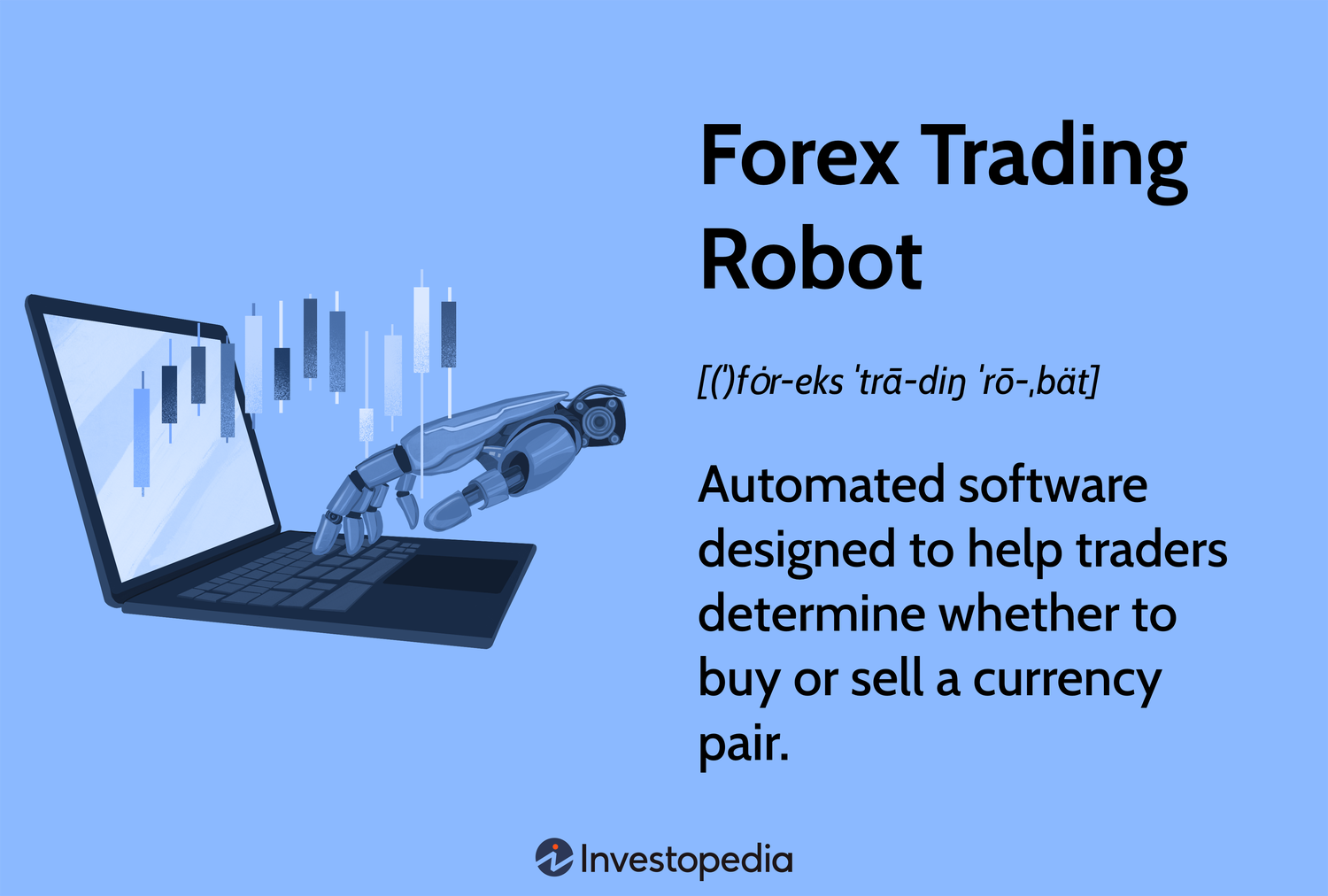
The financial markets, particularly the Forex market, have witnessed a significant evolution with the advent of technology. Among the most impactful innovations is **automated trading**, a method that utilizes computer programs to execute trades based on predefined rules and strategies. This approach has gained considerable traction, especially with the rise of **Forex robots**, also known as Expert Advisors (EAs), which are designed to automate trading decisions and execution in the foreign exchange market.
This article delves into the world of automated trading and Forex robots, exploring their mechanisms, benefits, and potential drawbacks. It aims to provide a comprehensive overview for individuals interested in leveraging technology to enhance their trading strategies in the dynamic Forex market.
What is Automated Trading?
Automated trading, often referred to as algorithmic trading or system trading, involves the use of computer programs to create and execute orders. These programs are built upon a set of predefined rules, which can include entry and exit points, stop-loss orders, and take-profit targets. Once these rules are met, the system automatically executes the trade without human intervention [1].
In the context of the Forex market, automated trading is primarily facilitated by **Forex robots** or Expert Advisors (EAs). These are specialized software programs that monitor currency markets, identify trading opportunities based on their programmed algorithms, and execute trades on behalf of the trader. The core idea behind automated trading is to remove emotional biases from trading decisions and ensure consistent adherence to a chosen strategy [2].
Features of Forex Robots
Forex robots come with a range of features designed to optimize trading performance and convenience:
- Pre-programmed Strategies: Robots are equipped with specific trading strategies, ranging from trend-following to scalping, which they execute automatically.
- Market Analysis: Many robots are capable of analyzing market data, including price action, technical indicators, and even news events, to identify potential trading signals.
- Automated Execution: The primary feature is the automatic execution of trades, including opening, managing, and closing positions, based on predefined parameters.
- Backtesting Capabilities: Advanced robots allow traders to backtest strategies against historical data to evaluate their potential profitability and risks before live trading.
- Customization Options: Some robots offer customization, allowing traders to adjust parameters like risk levels, lot sizes, and indicator settings to suit their preferences [3].
Pros of Using Forex Robots
The adoption of Forex robots offers several significant advantages for traders:
- Emotion-Free Trading: Robots eliminate emotional decision-making, which is a common pitfall for human traders. They stick strictly to their programmed rules, preventing impulsive or fear-driven trades [1].
- 24/5 Trading Capability: The Forex market operates 24 hours a day, five days a week. Robots can monitor and trade continuously, capitalizing on opportunities even when the trader is asleep or away from their screen [4].
- Speed and Efficiency: Robots can analyze vast amounts of data and execute trades far more quickly than any human. This speed is crucial in fast-moving markets where milliseconds can make a difference.
- Discipline and Consistency: Automated systems ensure that trading strategies are executed with unwavering discipline and consistency, avoiding deviations that can occur due to human error or fatigue.
- Diversification: Traders can deploy multiple robots simultaneously, each with a different strategy or on different currency pairs, thereby diversifying their trading portfolio and potentially spreading risk.
- Backtesting and Optimization: The ability to backtest strategies against historical data allows traders to refine and optimize their systems, improving their potential for profitability [3].
Cons of Using Forex Robots
Despite their advantages, Forex robots also present several drawbacks and risks:
- Lack of Adaptability to Market Changes: Robots operate based on predefined rules and may struggle to adapt to sudden, unprecedented market shifts or Black Swan events. They lack the human intuition to interpret nuanced market conditions [1].
- Technical Glitches and System Failures: Automated systems are susceptible to technical issues such as internet connectivity problems, power outages, or software malfunctions, which can lead to missed trades or significant losses.
- Over-Optimization Risk: Strategies can be over-optimized during backtesting, making them perform exceptionally well on historical data but poorly in live market conditions. This is often referred to as
curve fitting’ [5]. - Scams and Unrealistic Expectations: The market is flooded with scam robots promising unrealistic returns. Traders must exercise caution and conduct thorough due diligence before investing in any Forex robot.
- Lack of Human Intuition and Discretion: While emotion-free trading is a pro, the absence of human intuition can be a con. A human trader can sometimes identify patterns or react to news events in ways a robot cannot, making discretionary adjustments.
- Maintenance and Monitoring: Although automated, robots still require monitoring and maintenance. Market conditions change, and a robot that performed well yesterday might not perform well today without adjustments.
- Cost: High-quality Forex robots can be expensive, and there might be ongoing subscription fees. Free robots often come with hidden risks or are less effective.
How to Choose and Use a Forex Robot
Choosing and effectively using a Forex robot requires careful consideration:
- Research and Due Diligence: Thoroughly research any robot you consider. Look for independent reviews, performance statistics, and testimonials. Be wary of exaggerated claims.
- Understand the Strategy: Ensure you understand the underlying trading strategy of the robot. This will help you assess its suitability for different market conditions and your risk tolerance.
- Backtesting and Forward Testing: While backtesting is useful, also consider forward testing (testing on a demo account in live market conditions) to get a more realistic view of its performance.
- Risk Management: Implement proper risk management. Never risk more than you can afford to lose, and set appropriate stop-loss levels, even with an automated system.
- Start Small: Begin with a small investment and gradually increase it as you gain confidence in the robot’s performance.
- Continuous Monitoring: Regularly monitor the robot’s performance and market conditions. Be prepared to intervene or adjust settings if the market environment changes significantly.
- Reliable Broker: Use a reputable and regulated Forex broker that supports automated trading and offers good execution speeds.
Conclusion
Automated trading with Forex robots offers a compelling proposition for traders seeking to remove emotional biases, capitalize on continuous market opportunities, and execute strategies with precision. The benefits of emotion-free trading, speed, and consistency are significant, making them valuable tools in a trader’s arsenal.
However, it is crucial to acknowledge the inherent risks and limitations. The lack of adaptability to unforeseen market events, technical vulnerabilities, and the potential for over-optimization necessitate a cautious and informed approach. Traders must conduct extensive research, understand the underlying strategies, and maintain vigilant oversight of their automated systems.
Ultimately, Forex robots are tools that, when used wisely and in conjunction with sound risk management principles, can enhance trading efficiency and potentially improve outcomes. They are not a guaranteed path to riches but rather a sophisticated aid for disciplined traders navigating the complexities of the Forex market.
References
- [1] InvestGlass. (2025, April 16). The Essentials of Robot Trading in Forex: Benefits and Drawbacks. https://www.investglass.com/the-essentials-of-robot-trading-in-forex-benefits-and-drawbacks/
- [2] Boosty Labs. (2024, August 25). Automated Trading: Pros & Cons. https://boostylabs.com/blog/automated-trading
- [3] Dukascopy. (2024, July 26). Forex Trading Robot: What is it and How Does it Work? https://www.dukascopy.com/swiss/english/marketwatch/articles/forex-trading-bot/
- [4] SocialVPS. (2025, February 3). Benefits of Using Trading Robots for Forex Success. https://socialvps.net/benefits-of-using-trading-robots-for-forex-success/
- [5] Medium. (2023, January 12). Forex Robots: An In-Depth Look at the Pros and Cons and a Recommendation. https://medium.com/@diogorosa_22995/forex-robots-an-in-depth-look-at-the-pros-and-cons-and-a-recommendation-e3aab695d5f7